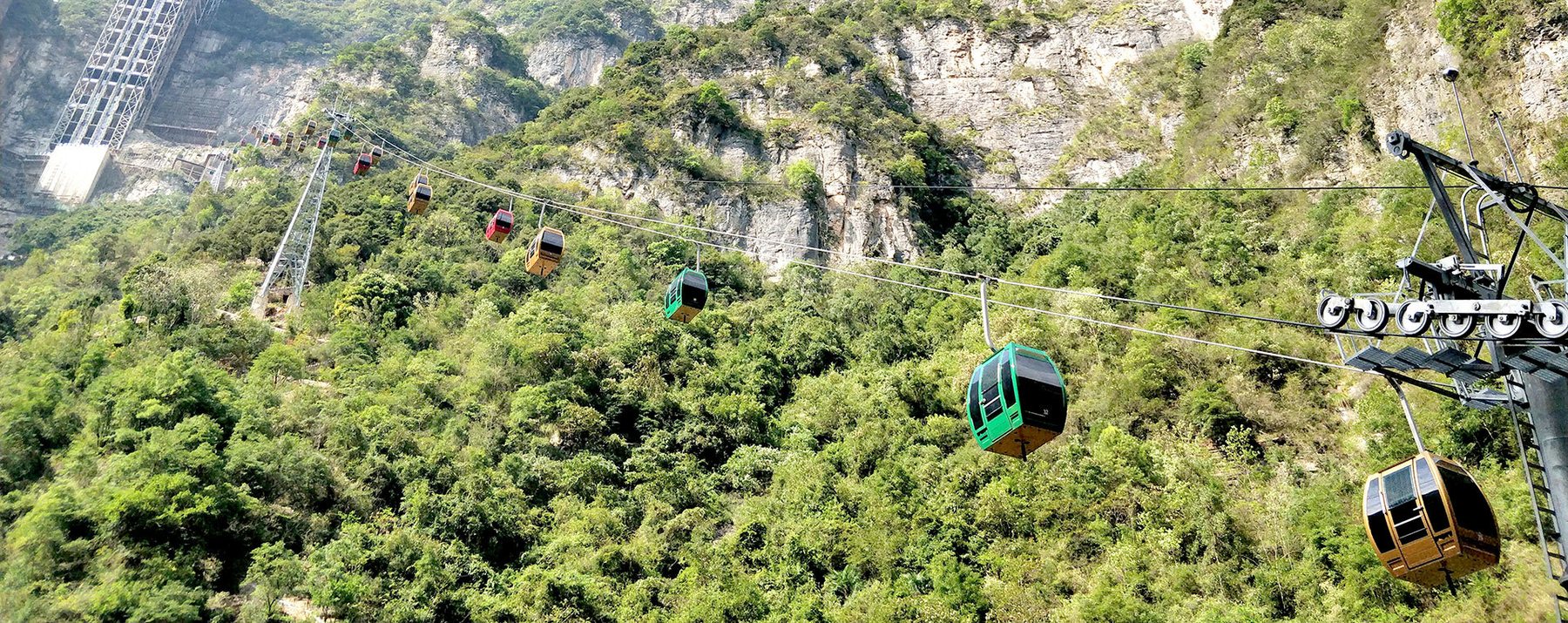
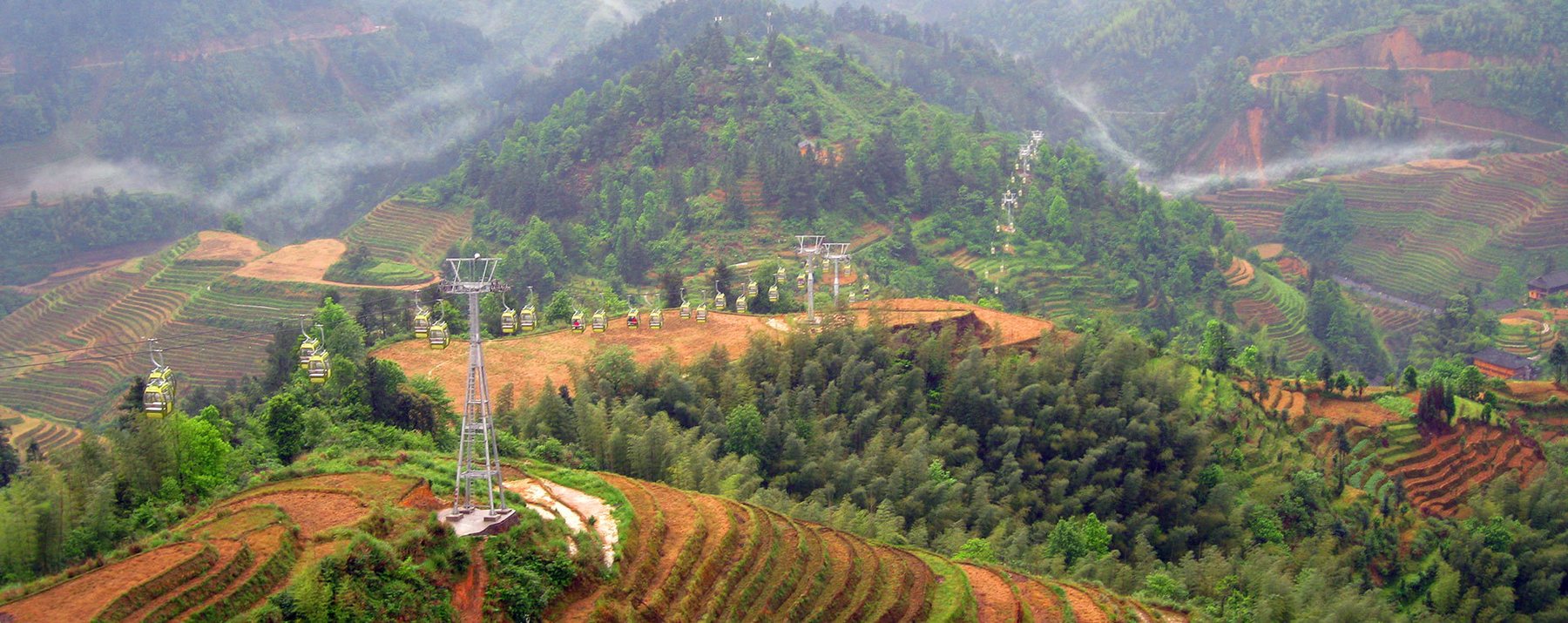
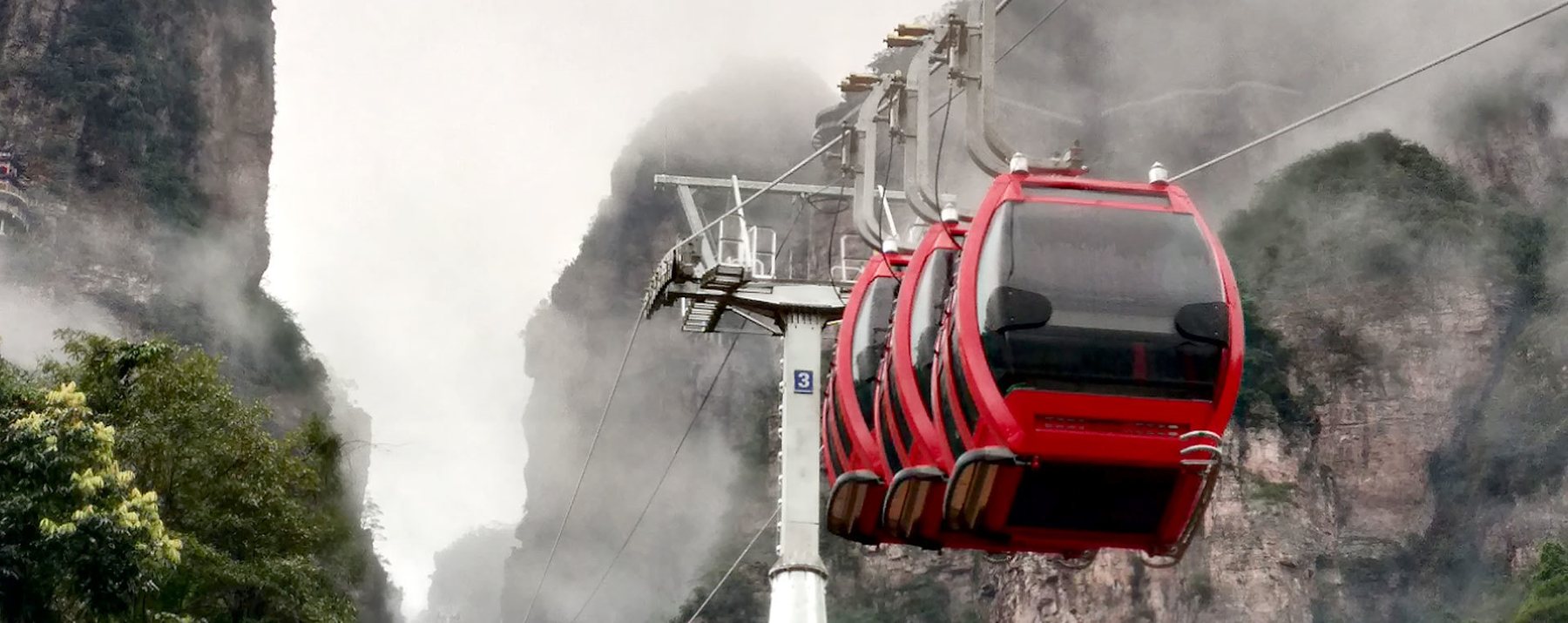
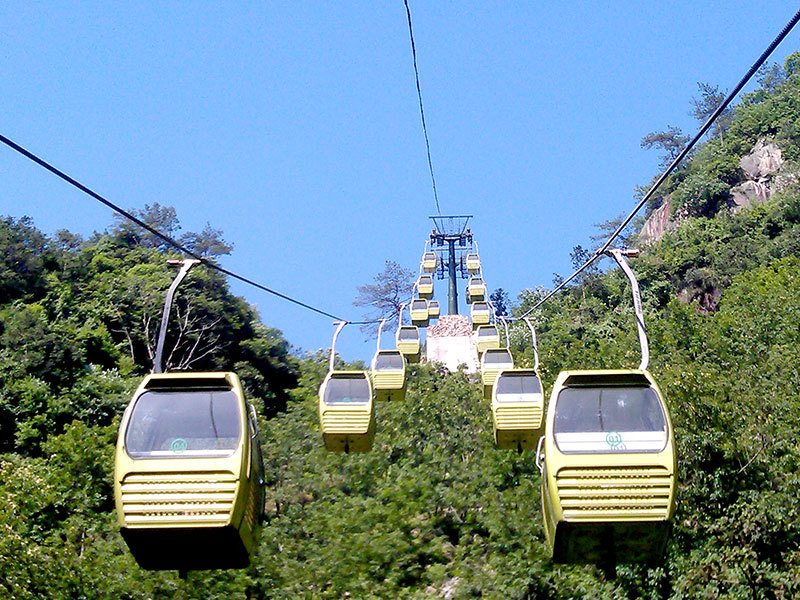
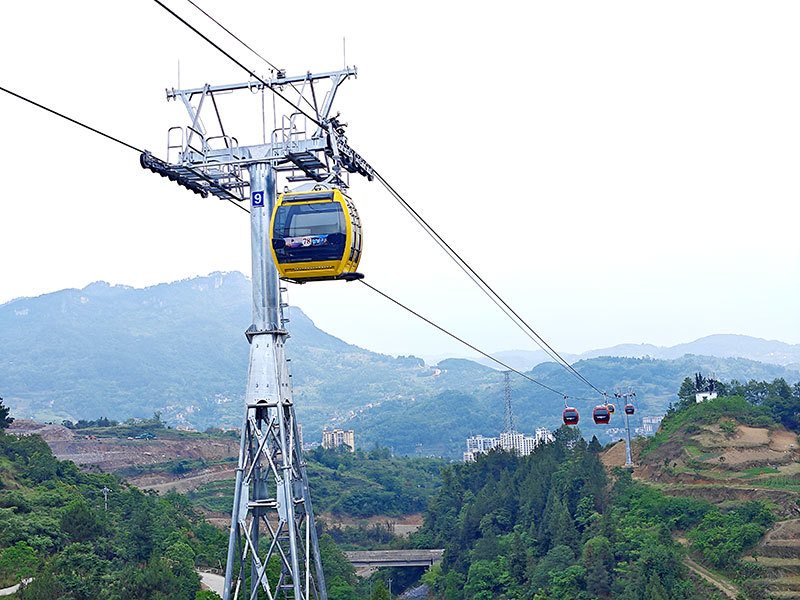
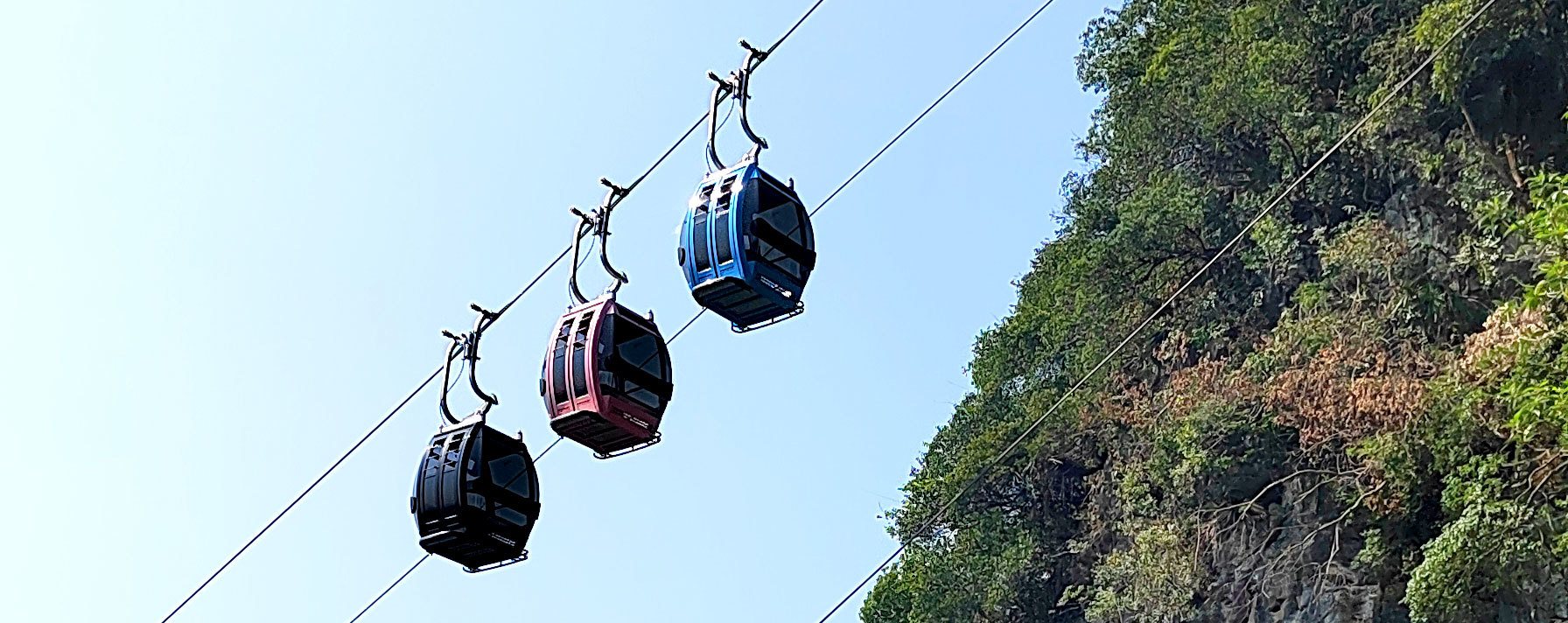
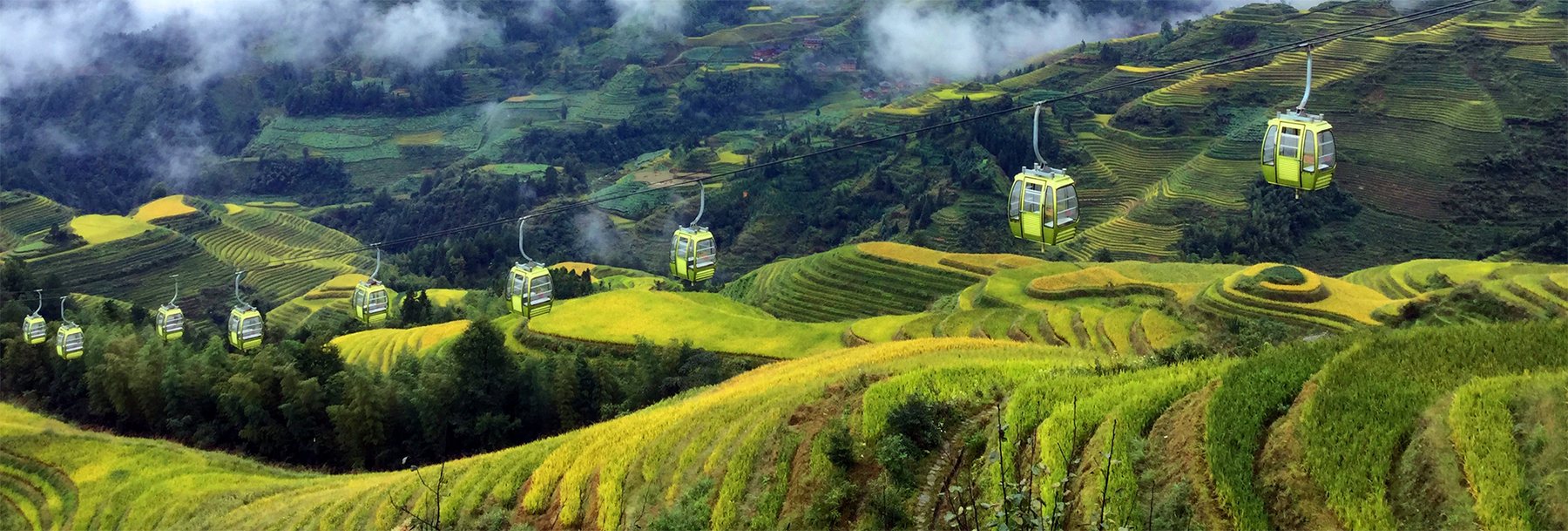
Gondola cabins crossing a sea of clouds above forested mountains
Passenger ropeways · manufacturer

Cable cars that turn a mountain into a destination.

Detachable gondolas, fixed-grip chairlifts and tourist aerial tramways — route design, tower steel, stations, drive and tension units engineered as one system. From canyon crossings and ski slopes to city skyline lines.

GondolaEnclosed cabins · all-season
ChairliftOpen seats · ski & scenic
TramwayCanyon & city crossings
TurnkeySurvey to first ride
What we build

The mountain decides the machine.

Capacity, climate, span and station real estate pick the technology. We survey the corridor first, then match the ropeway type — never the other way round.

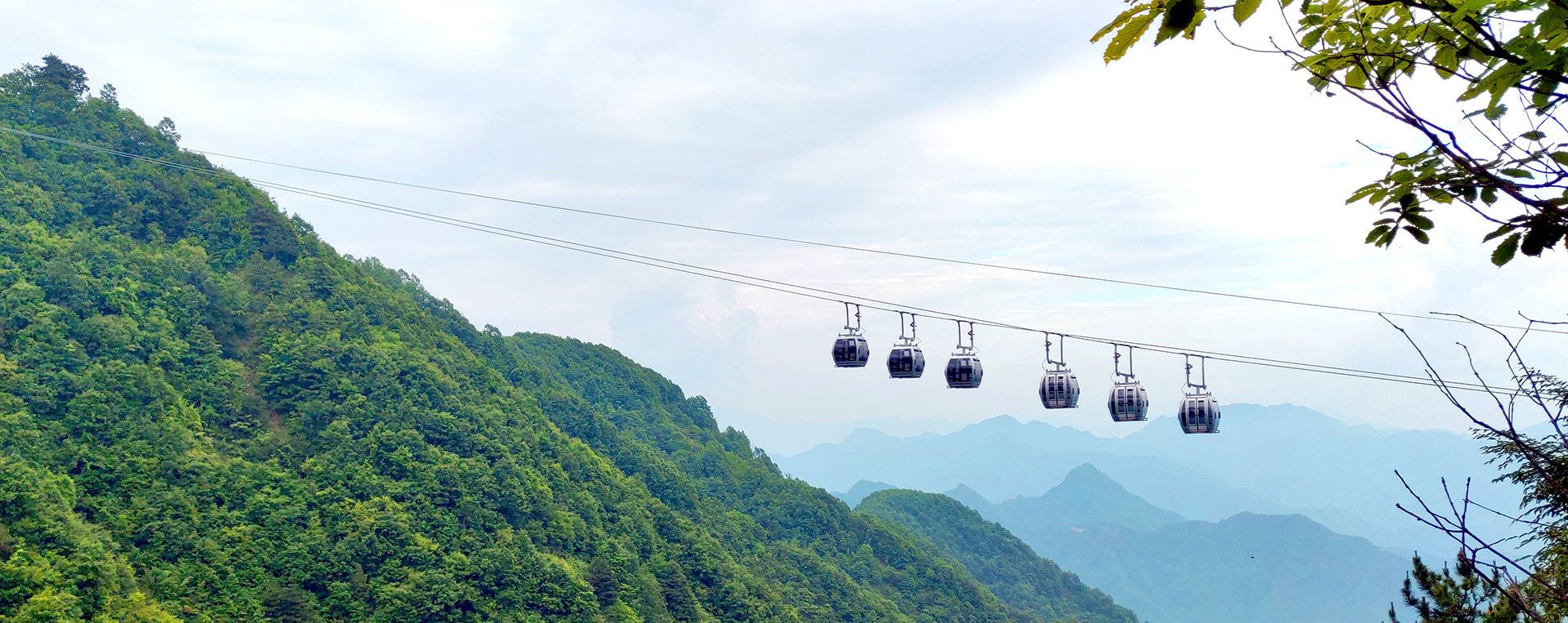
Detachable gondola

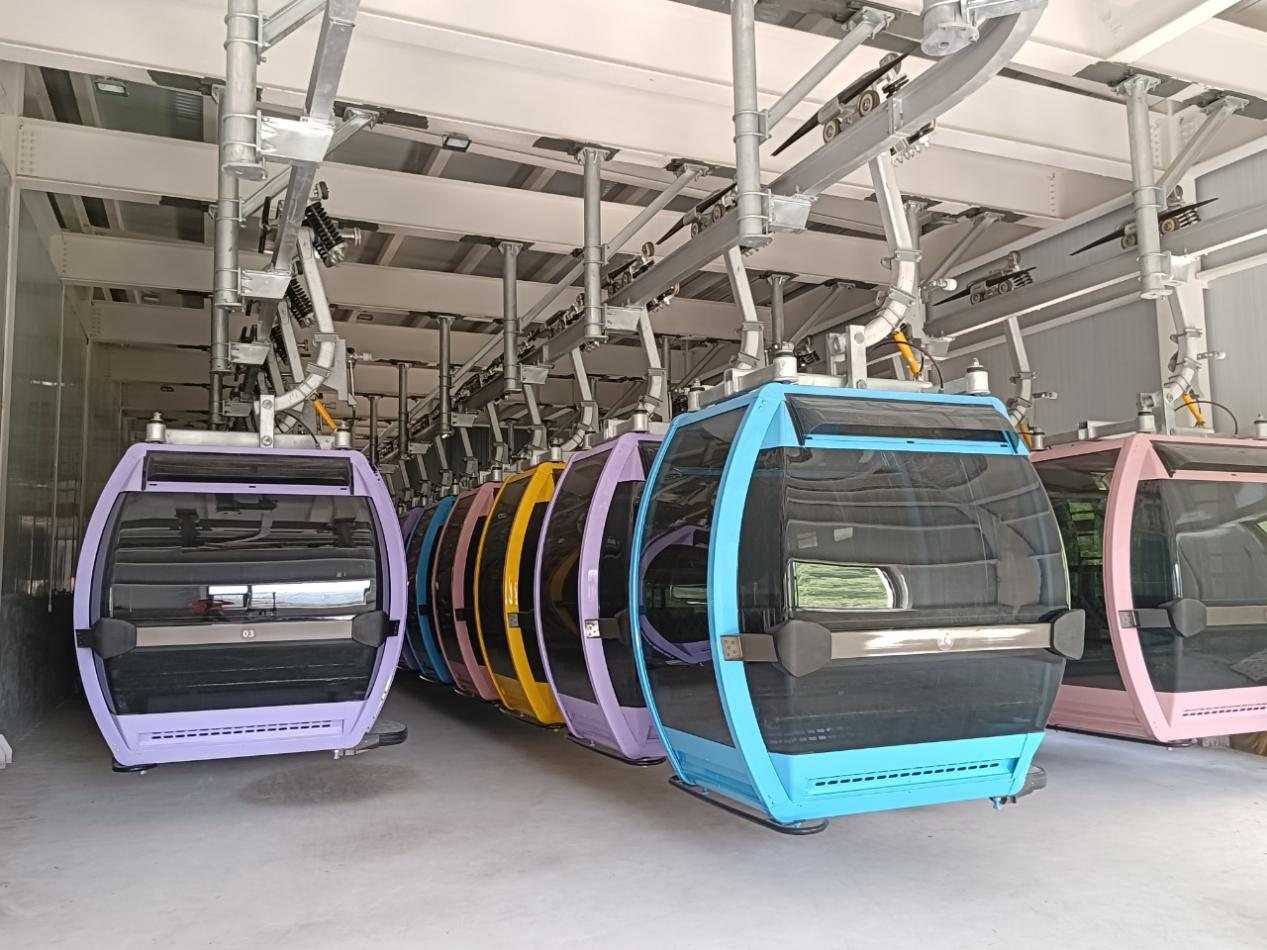
Enclosed cabins that detach from the haul rope in the station, so boarding is slow-speed and capacity stays high. The all-season workhorse for scenic areas, ski resorts and waterfront developments.
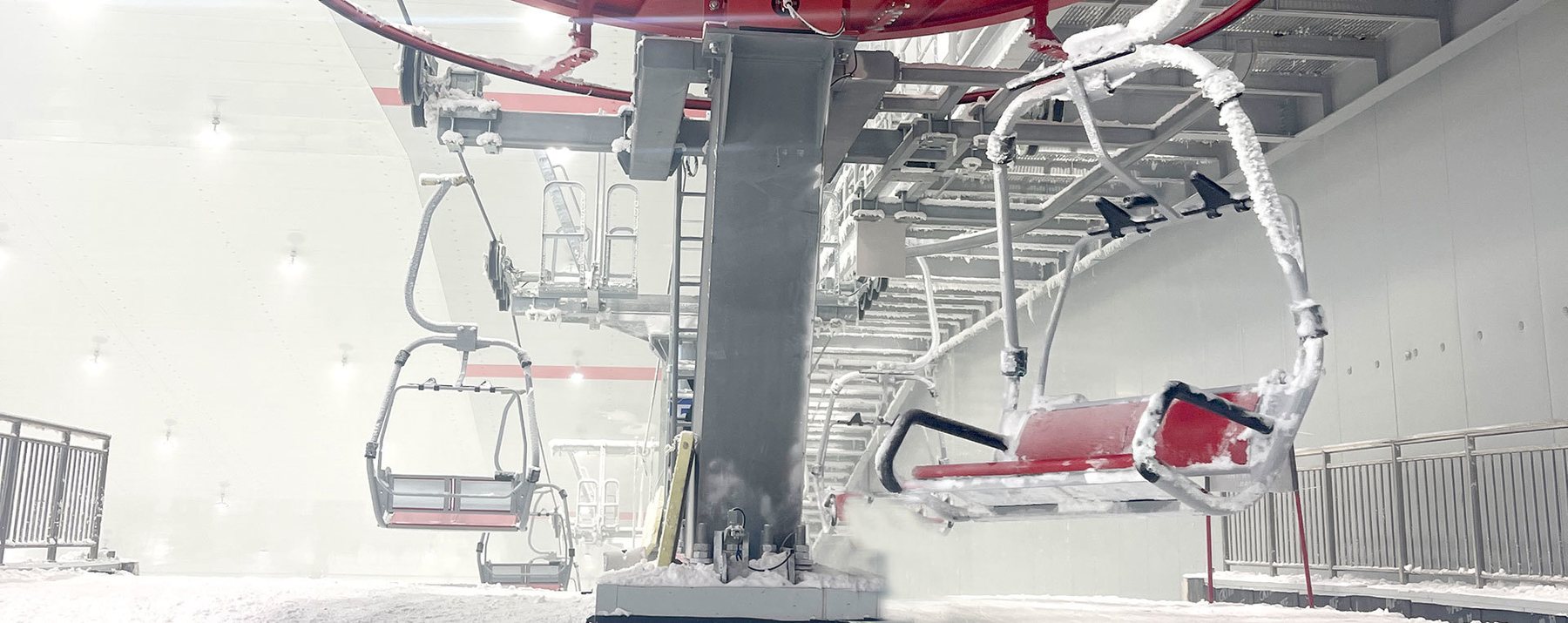
Fixed-grip chairlift

Open chairs on a constant-speed rope — the simplest, most economical lift for ski runs, canopy tours and short scenic climbs. Fewer moving parts, straightforward maintenance, fast boarding.

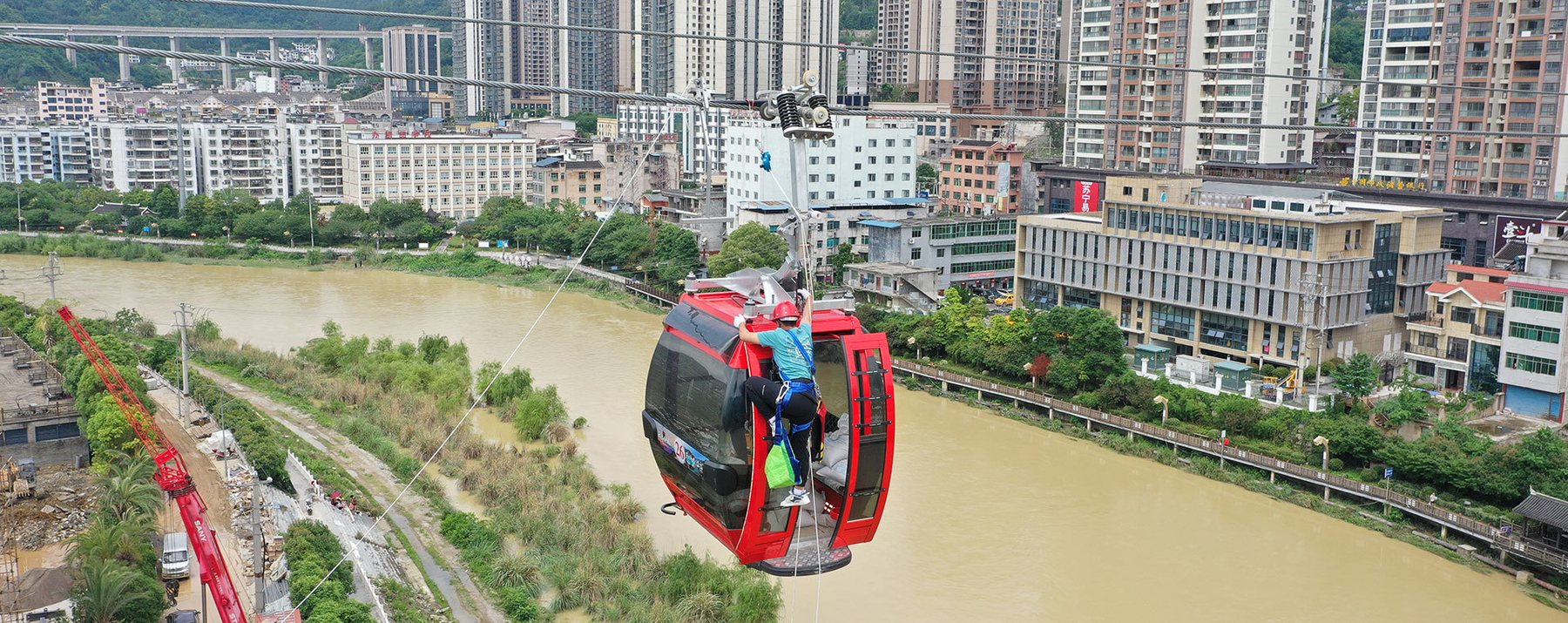
Tourist tramway

Long-span aerial tramways for river gorges, canyon crossings and skyline lines above a city — bigger cabins, dramatic height clearance, and a ride that becomes the attraction itself.

Engineering first

A ropeway is a system, not a kit.

Line profile, tower spacing, station buildings, drive and tension units, control and evacuation — every part is sized against the same route survey. Nothing is bought loose and hoped to fit.
  • Route and geology survey before any steel is ordered
  • Tower steel hot-dip galvanised, flanged for bolt-together erection
  • Drive and return stations with hydraulic tensioning
  • Control system with wind, speed and rope-monitoring interlocks
  • Evacuation plan and rescue equipment supplied with the line
Send us your corridor
Tubular steel ropeway tower against a blue sky
Built, not brokered

Our own floor, our own steel.

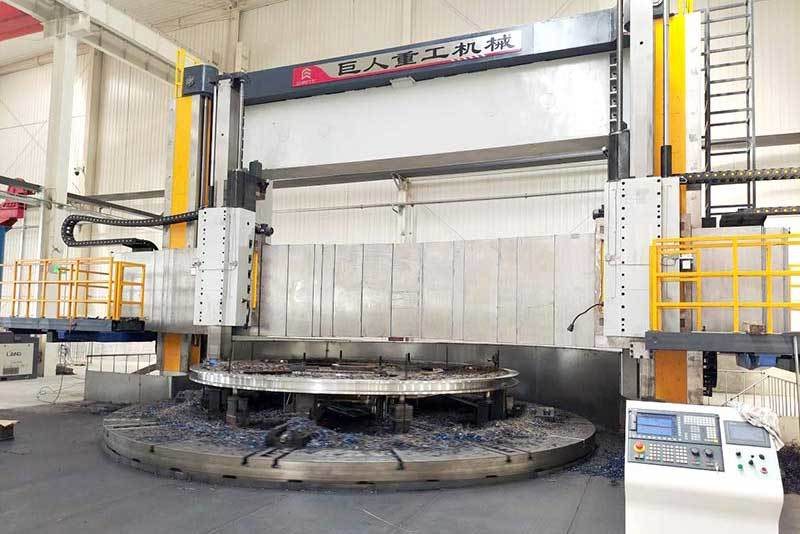
Sheave assemblies, grips and structural nodes are machined in-house, so tolerances match the drawings instead of a supplier's catalogue. Buyers are welcome to walk the floor before the container is sealed.
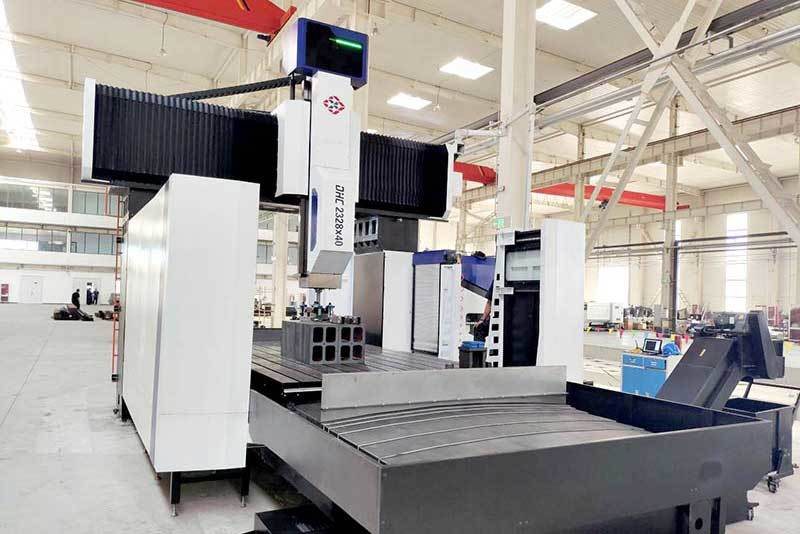
CNC machining centre cutting a steel ropeway component
CNC machining · component work
CNC gantry machine milling a large steel flange for a station drive
Gantry machining · large flanges
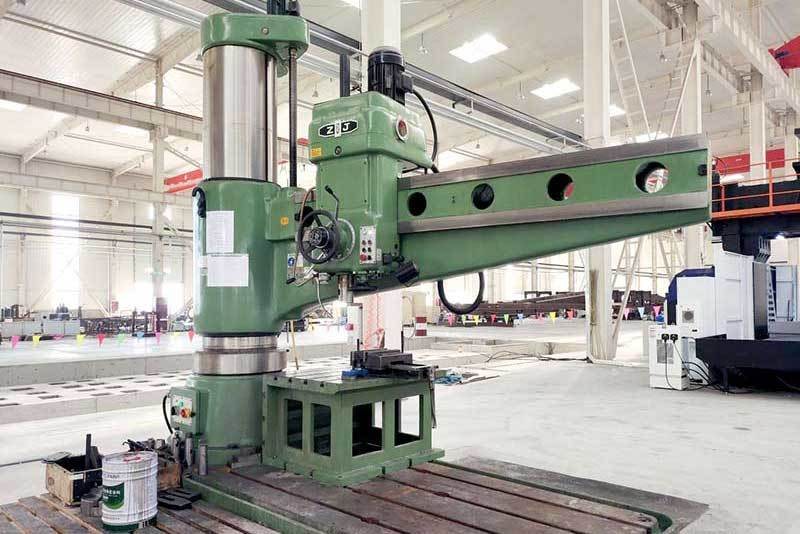
Radial drill working a steel frame component in the workshop
Radial drilling · frame work
Galvanised steel tower structure of a passenger ropeway
Tower steel · fit and finish

See the factory

Life after installation

A ropeway earns its keep for decades — if it is maintained.

We stay on the line after commissioning: scheduled inspections, sheave-train overhauls, rope wear monitoring and a spare-parts channel that does not wait for a breakdown.
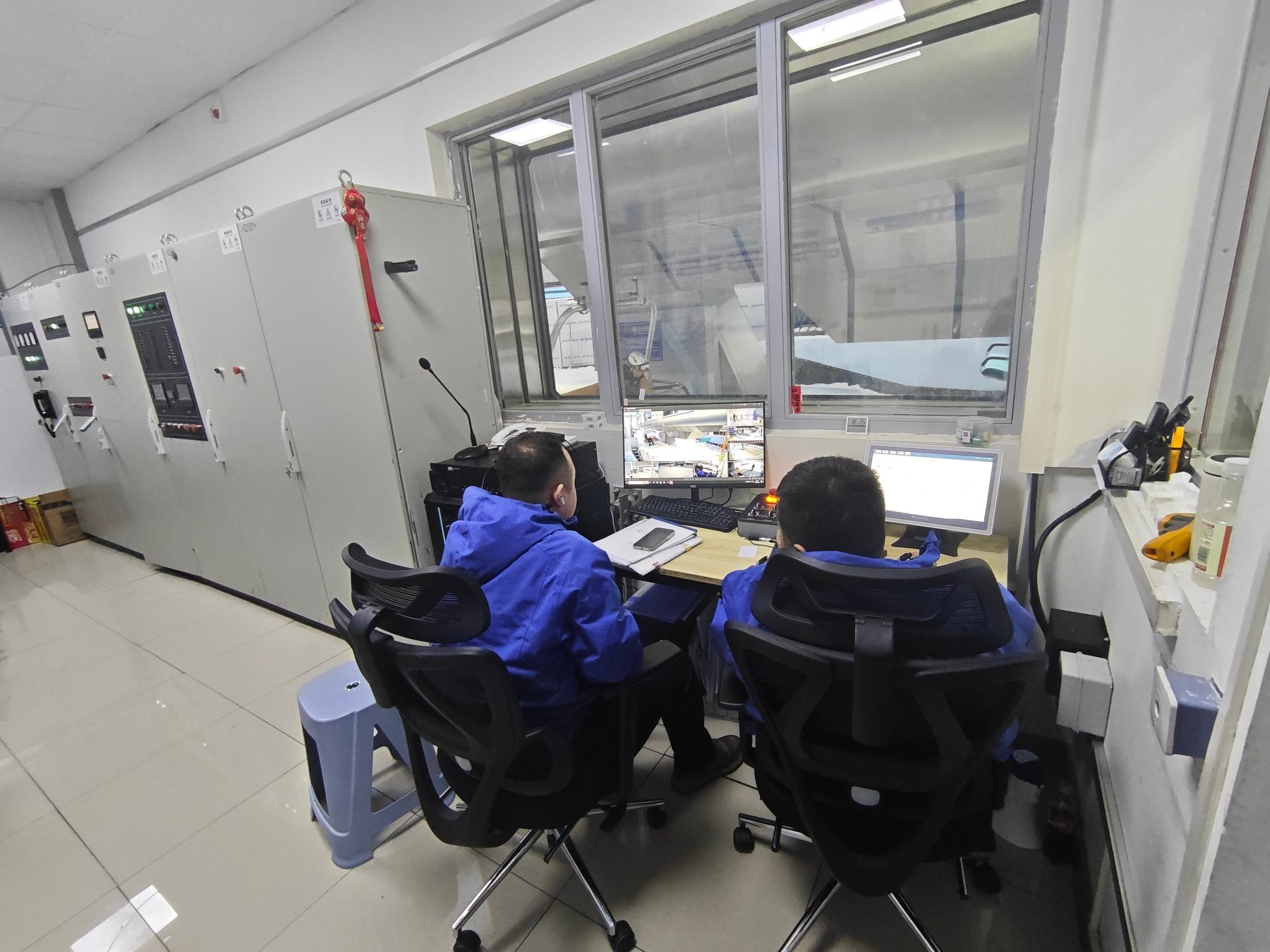
  • Operator training on running, boarding and daily checks
  • Scheduled inspection routines for rope, grips and towers
  • Annual sheave-train and drive-unit overhaul programme
  • Wear parts stocked and shipped from the same factory
Operators monitoring a ropeway line from the control room
Questions buyers ask

Before you commit.

How much passenger capacity can a ropeway carry?
It depends on the technology and the station. A fixed-grip chairlift moves fewer people per hour than a detachable gondola of the same length, and a twin-cable tramway moves fewer still but with larger cabins. Tell us your site and expected visitor flow and we will size the line honestly — including telling you when a simpler product is the better answer.
Can the line run in wind, snow or rain?
All ropeways operate within defined wind limits monitored by an anemometer interlock that stops the line automatically. Enclosed gondolas keep passengers dry and comfortable in rain and snow; open chairlifts are seasonal by nature. The control package for each line is specified around your climate.
What if a cabin stops mid-line with passengers aboard?
Every line is supplied with a written evacuation plan, rescue equipment and the training to use it. For most routes, staff reach a stopped cabin by rescue trolley or rope access and lower passengers safely to the ground — this is drilled with your operators during commissioning.
How long does a ropeway project take?
The schedule is driven by the route survey, civil works and manufacturing load, and it is confirmed in writing on your order rather than quoted as a fixed number upfront. Tower steel, stations and drive units are produced as one coordinated package so site erection is not held up by missing parts.

Tell us your corridor.

Send the route length, elevation profile and expected visitor flow. We come back with the recommended ropeway type, an indicative tower count and a quotation for your site.